The PSA 1.6 BlueHDI 8V engine comes fitted with the Bosch EDC17C60 ECU. This is similar to EDC17C10 in structure but many more maps and more complex, it’s more similar to the later MD1 system. The engine comes in a few variants, the 75 and 100 models both use the TD02 wastegate turbo, the 120 and 130 models use the GTD1244VZ VNT turbo.
The 75 and 100 models will end up around 126 to 130 BHP with a stage 1 remap whilst the 120 models go right up to 150 to 155 bhp. We can also adjust the software on the 75 and 100 models to work with the VNT turbo and then you get 150 BHP.
Although this ECU does have TProt (tuning protection) it’s not really an issue because all professional programming tools patch the byte so you will never know about it, if you’re using our file service we also patch this when correcting the checksum, so it’s a non issue and you shouldn’t spend too much time thinking about the tuning protection. It was only an issue a long time ago before the patch was automatically applied by tuning tools or WinOLS. Some clone tools do still have an issue of course, so then you need it to be patched by us, which it is.
Lets start having a look at the maps inside the ECU for a 120 BlueHDI, we start with our boost maps and rail maps placed together in an 8 bit format rather than 16 bit. This doesn’t really pose any problem, it just makes them a bit more tricky to interpret as they need a specific factor and an offset. There are usually around 16 boost maps to change, some are set higher, some are set lower. We set a maximum of 2750 mbar in these maps, some are already higher for factory ‘overboost’ maps, but the set point of 2750mBar is more than enough and is a sweet spot for the GTD1244VZ because it gives good power yet remains very reliable. It’s well within it’s design range because some factory maps already spike higher than this, especially on other ECUs which use the same turbo.
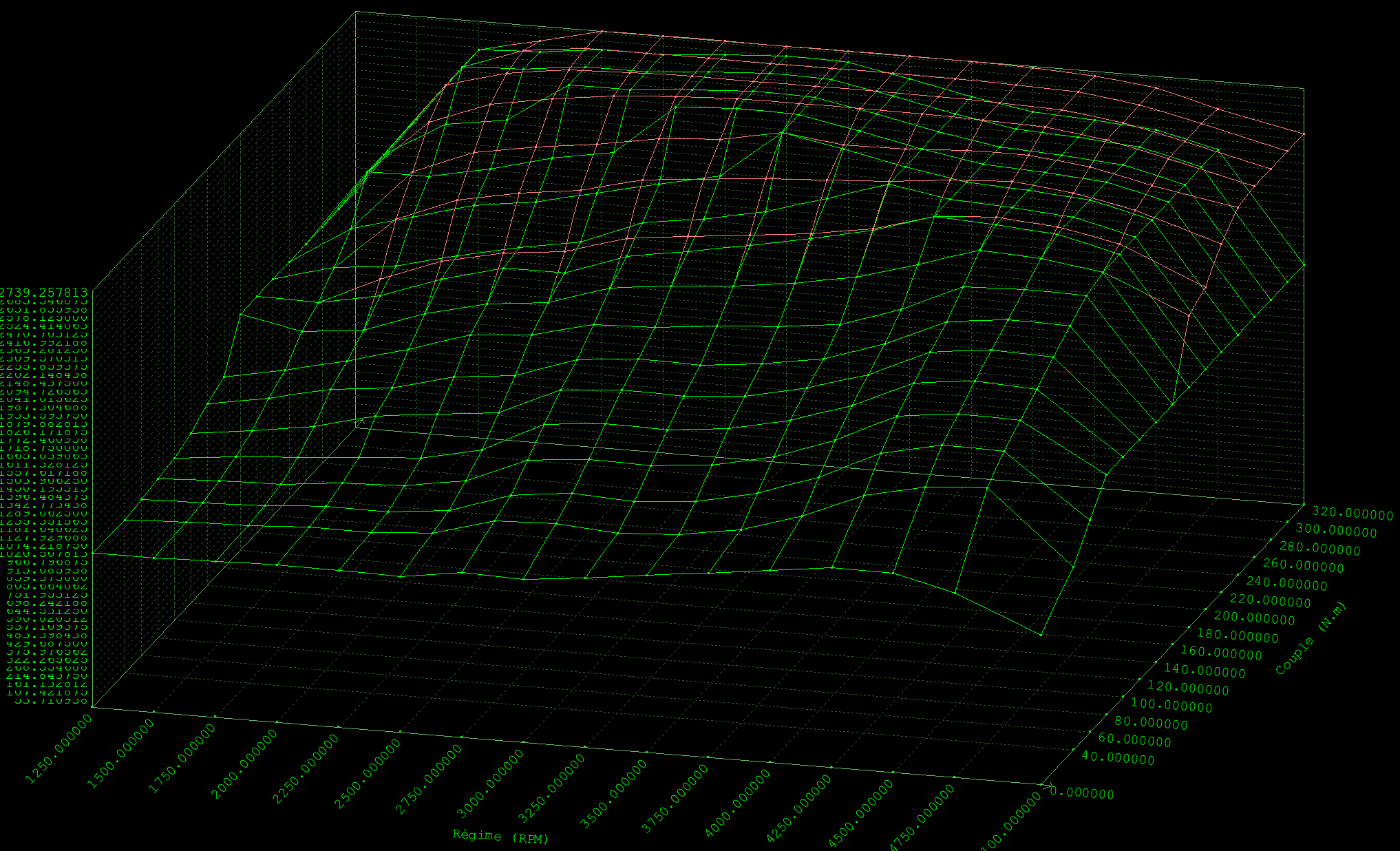
There are 8 pedal maps, a.k.a drivers wish maps. These determine the torque request releative to pedal position and engine RPM. We wimply increase the 100% value to match our torque curve plus a little more (this should always be higher) and then blend the previous line to keep things smooth. There’s not really any need to make the pedal more sensitive all over, although that is an option for a sportier drive but it can also become too responsive. We prefer to keep the pedal more linear.
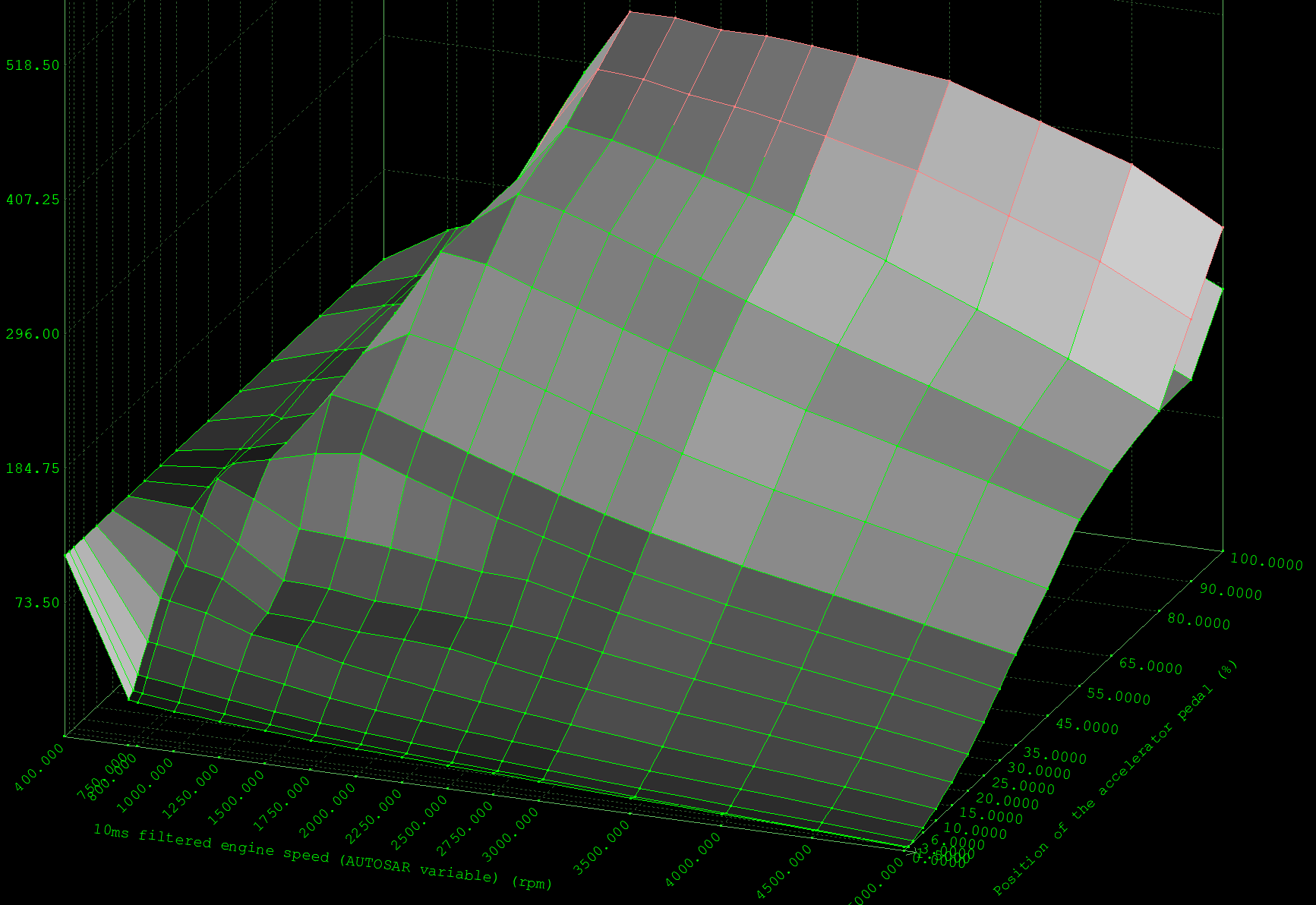
There are around 40 Nm to IQ conversion maps. These give the required fuel quantity at each RPM point for a specified torque request. We need to make sure these maps have enough fuelling to deliver the desired torque because the factory maps are not calibrated beyond normal torque requests. We also need to make sure that all of the maps are adjusted the same and that they match up, there are no random changes here but each map is adjusted precisely and the logic follows through to all the other maps. There are also reverse calculation maps which must be corrected so that the monitoring system does not throw a fault.
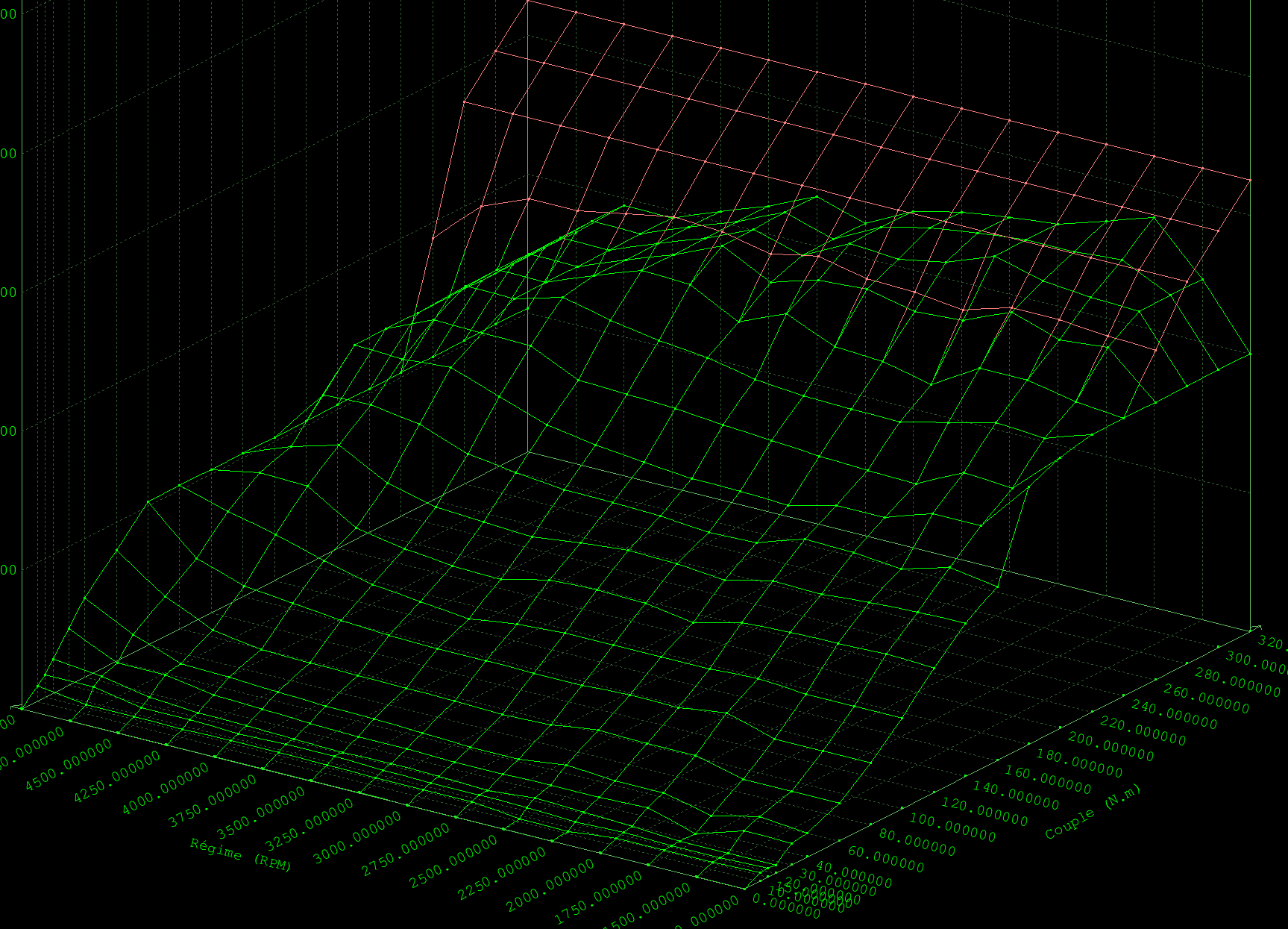
When you see this Nm conversion map you will probably think the modification is a little ugly, there’s a reason for that, if we blend it all in and make it look pretty, the values wont align between other maps and the monitoring maps wont be correct. Instead we use fixed values across the maps at set RPM points, this means that all the maps can be the same within power jumping up and down as the ECU jumps between maps when running. The factory maps really drop off at the top end, and above factory torque settings. These are essential to change when tuning otherwise you wont get much more than factory power.
Next we have 25 torque curves to adjust. These are 2D torque curves for max load. There are several maps in here some with different values, we aim to set them all the same so that max power is the same regardless of conditions. The torque curve is finely adjusted to match the available airmass from the turbo and must also correlate perfectly with our adjusted Nm conversion maps. Now this is where setting the Nm conversion maps helps because we know exactly the IQ we will get for each RPM point without it changing for each of the 40 conversion maps.
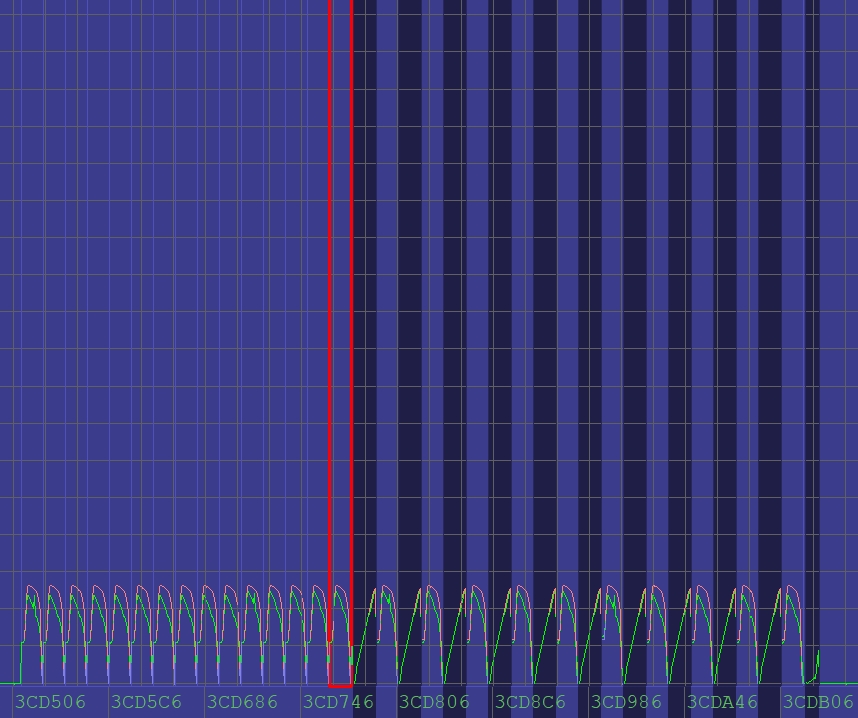
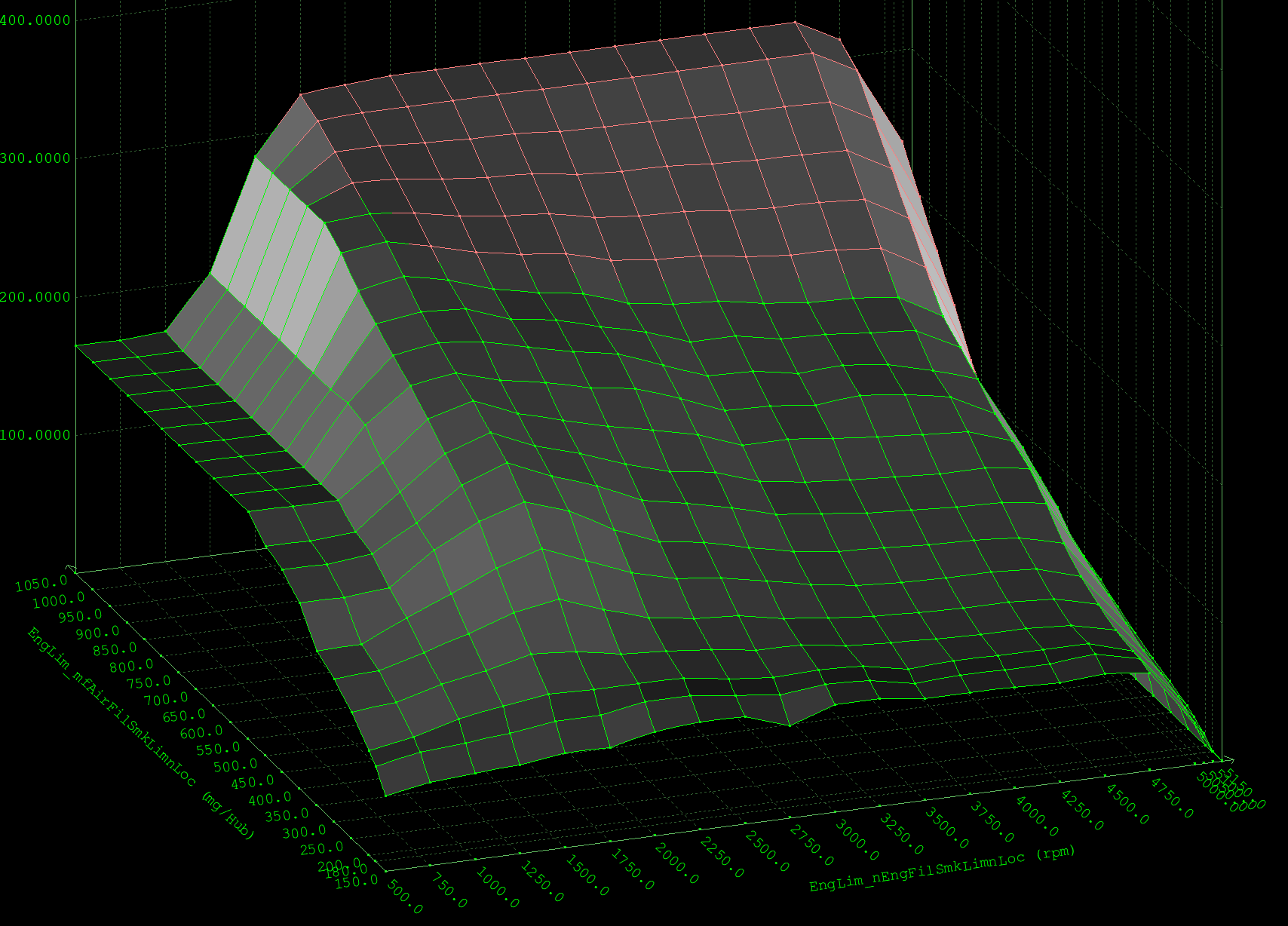
AFR is precisely controlled via the ‘smoke maps’ and the aim here is to not allow smoke through careful control of fuelling based on air mass. These maps work in Nm rather than IQ, and as we flattened out the conversion maps we can also flatten out the AFR control maps because then our AFR will remain the same ratio at each airmass point. The factory mapping really cuts off fuelling in the higher RPM ranges so these maps need a lot of adjustment for a nice stage 1 remap.
That covers most of the basic maps, there are many more that we change but of course we’re not going to give away our trade secrets, this article is purely a top level over view. If you’re a professional tuner you can hop across to our file portal where we’ve prepared just about every version.
If you’re a retail customer and looking to tune your car yourself, check out the MyGenius programming tool on our webshop. With this tool you can work directly with us and program the ECU yourself. It’s very simple to use and is designed for absolute beginners, no training is necessary.