The Siemens SID203 ECU is relatively simple to tune, it uses the MPC5xx architecture and a typical Siemens layout where map axes are separate to the maps themselves. This can make things confusing for tuners unfamiliar with the structure. It certainly makes things more time consuming when you want to adjust the axis of a map because then you need to locate it and build a custom map pack to suit for each different SW version.
There are typically 10 to 16 ‘drivers wish’ maps to change, these convert the drivers demand to a torque value for the ECU. The pedal maps work as a % of maximum torque on this ECU, we simply need to set the maximum to 1. Some maps are much high as factory default, we leave those alone, and any values that are already above 1, we leave those as they are.
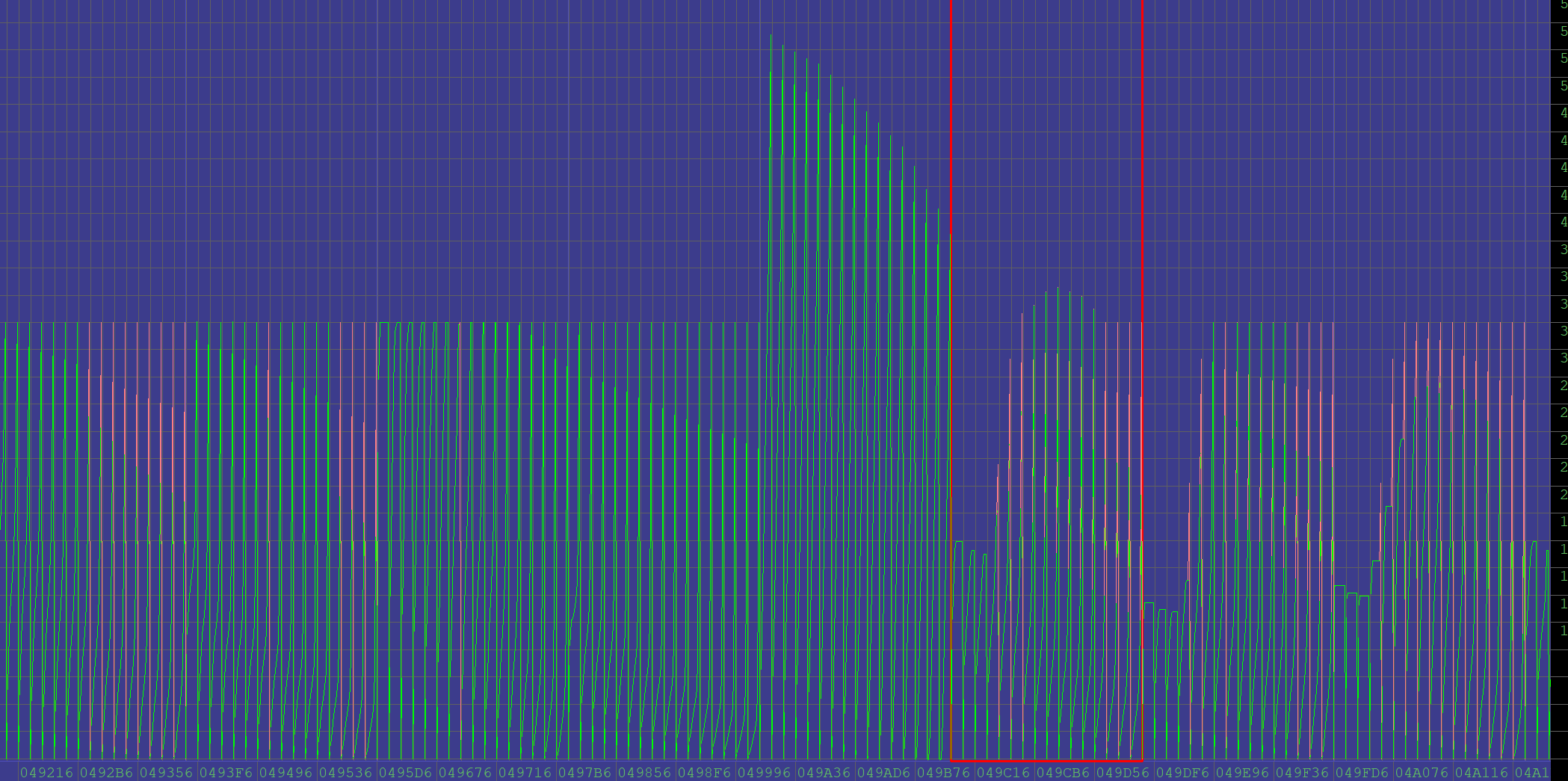
There are around 10 boost maps which must be altered including atmospheric boost protection maps. It’s important not to remove the protection completely as this can over work the turbo at altitude, something that is actually quite likely for an off road vehicle.
This engine comes fitted with a 3 bar sensor (3000mBar) and the turbos are tough turbos, we can increase boost to a maximum of 2550 mBar (absolute) whilst remaining fairly safe.
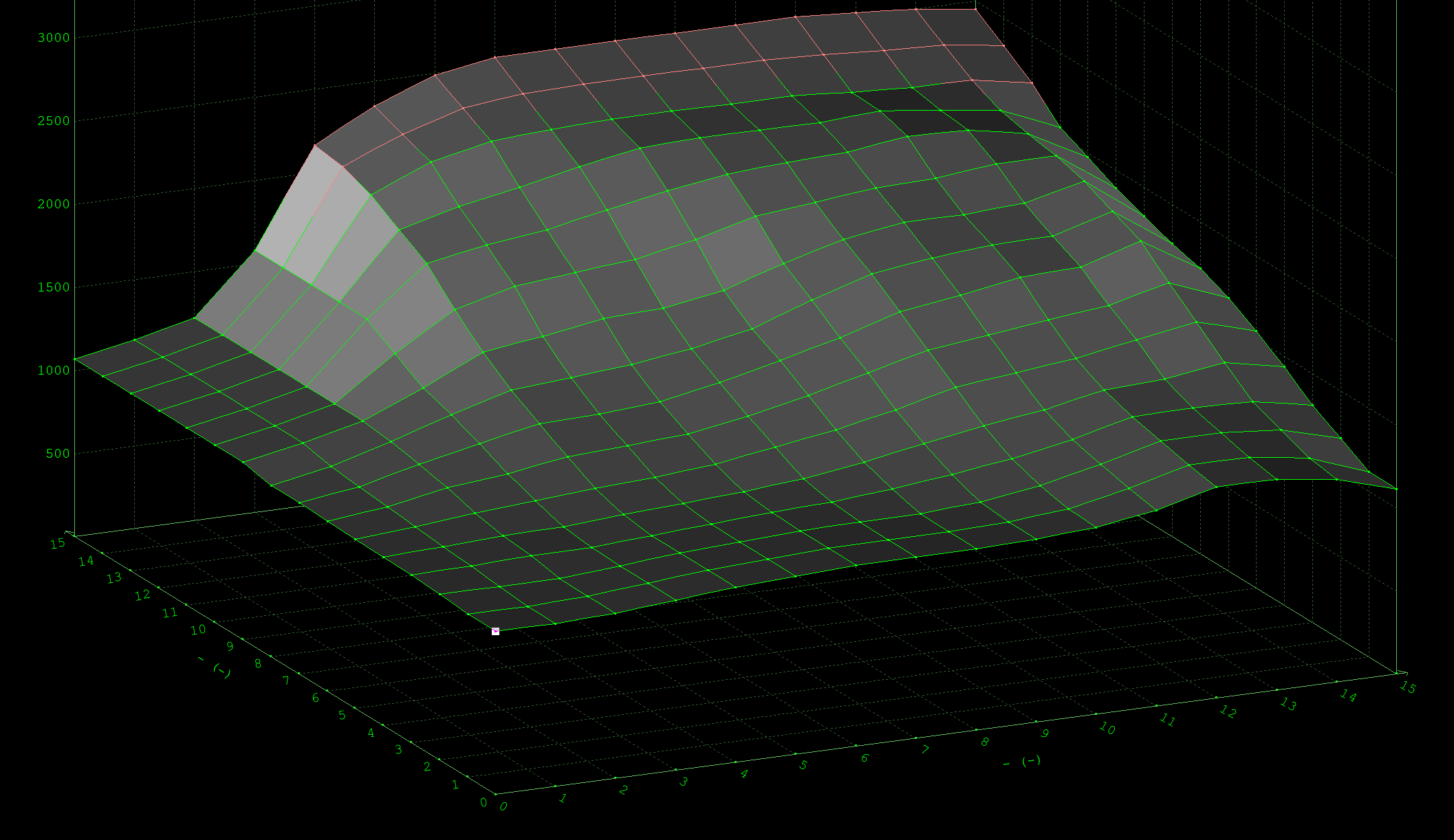
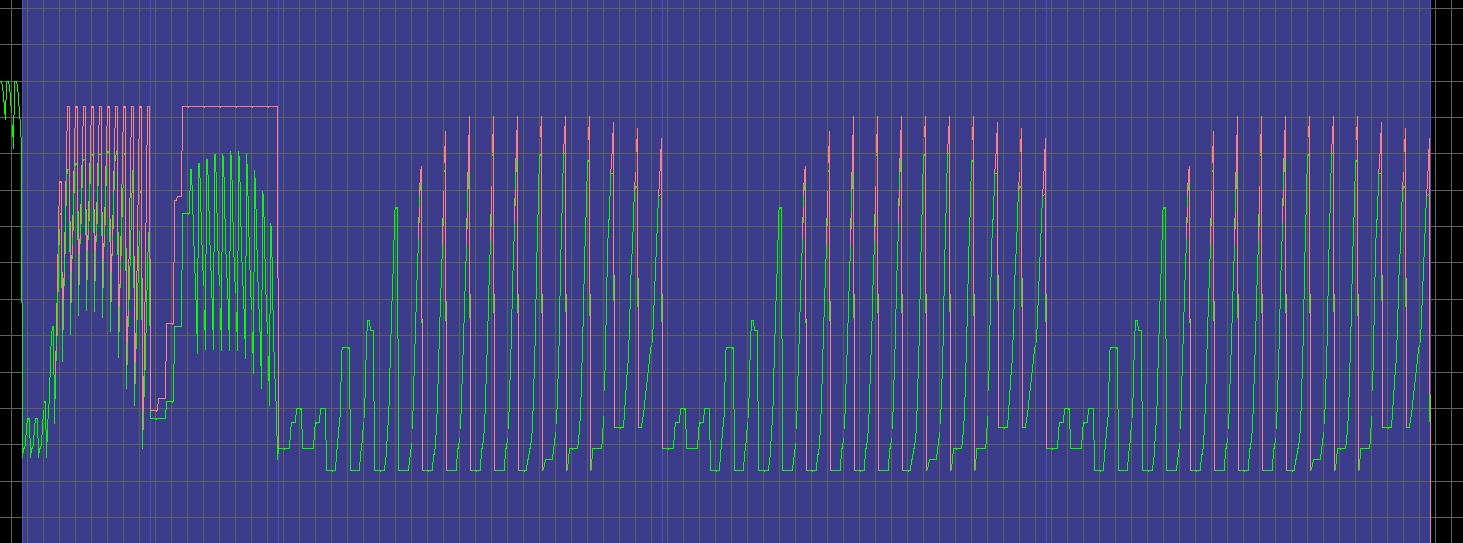
There are 7 ‘smoke maps’ which can be slightly altered. We call these smoke maps because if adjusted too much they give smoke, but more correctly they are AFR maps. These maps limit fuelling based on airmass at the MAF. For this ECU they are already correctly calibrated much further than the stock torque settings, we only need a very small adjustment at the top end.
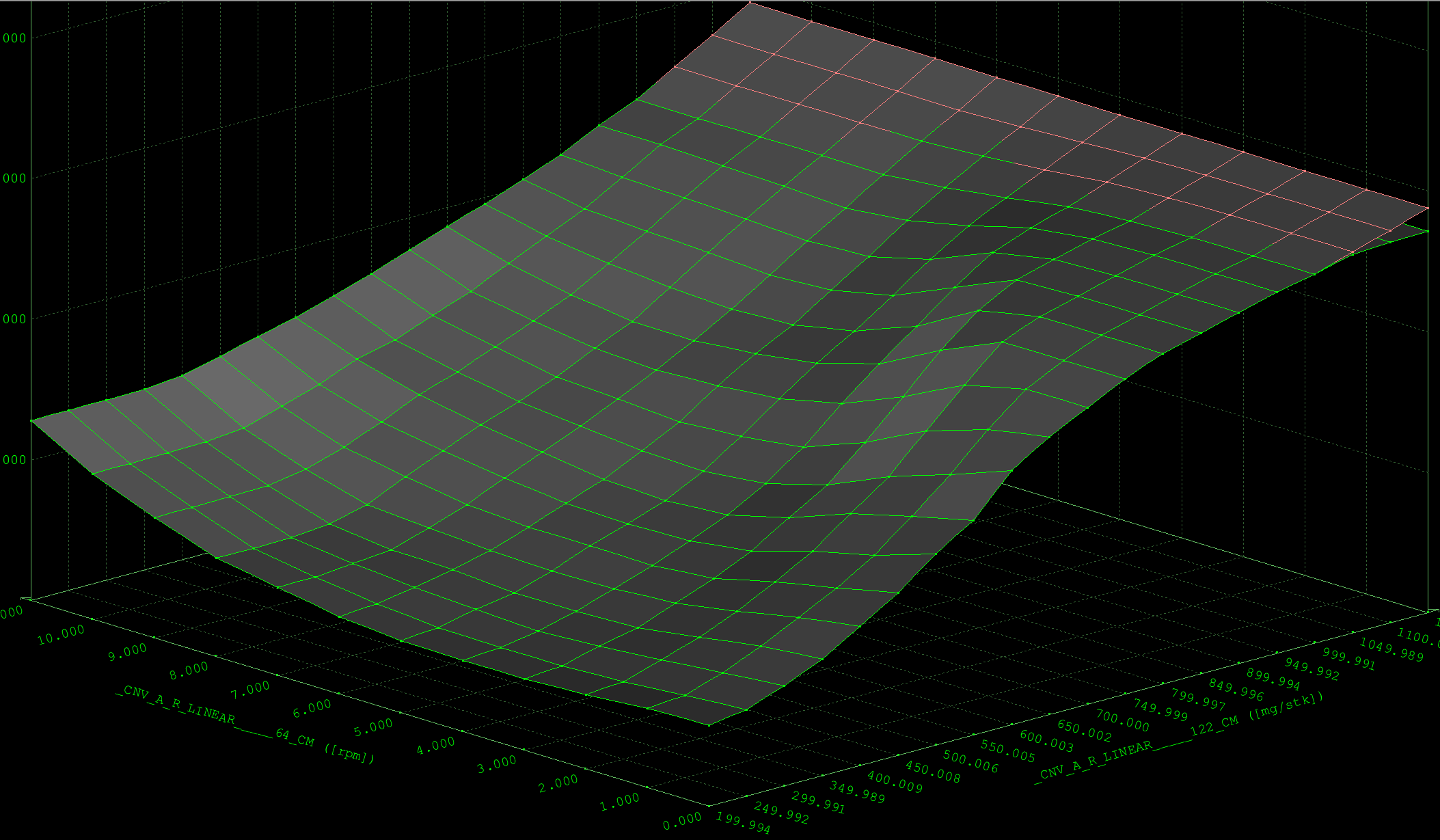
Normally the injector calibration map should not be altered, however on this ECU the calibrations only go up to 65mg on the factory settings, we did some calculations to scale this to 70mg whilst adjusting the axis accordingly. This is a precise adjustment and keeps AFR controllable and the injected quantity remains consistent and correct for the torque model. This is important for vehicles with an Automatic gearbox to give good driving characteristics and nice gear changes.
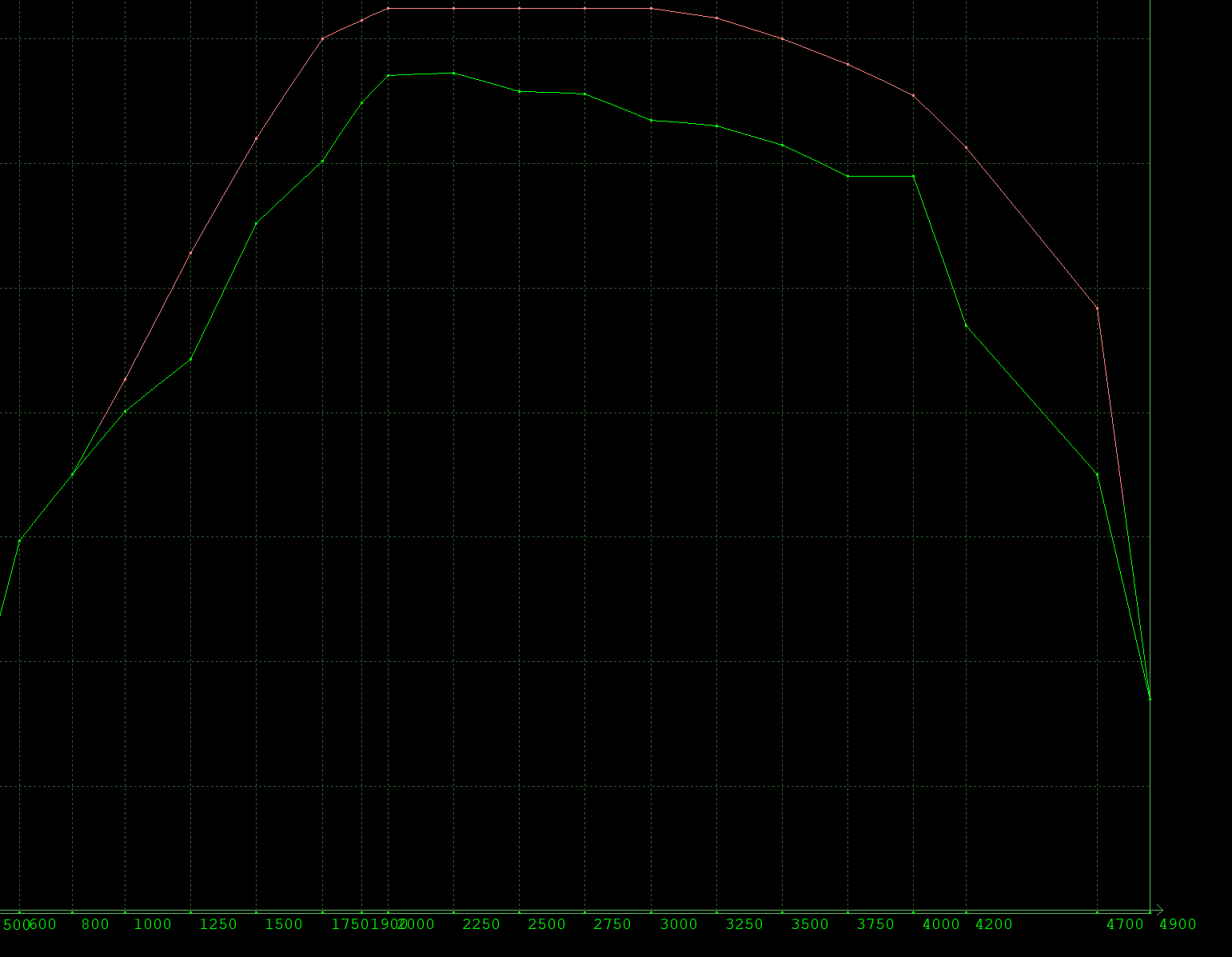
There are over 40 Torque limiter curves in this ECU for the various modes including D, sport mode, low range, different gears etc. We can set most of these to the same maximum so that power is consistent between gears. It’s important to note these curves set the ‘internal torque’ and not the torque at the flywheel, there are losses through the engine. We can make torque delivery smooth and more consistent than the stock mapping. Here’s an example torque curve, although there are many others with different before – after settings.
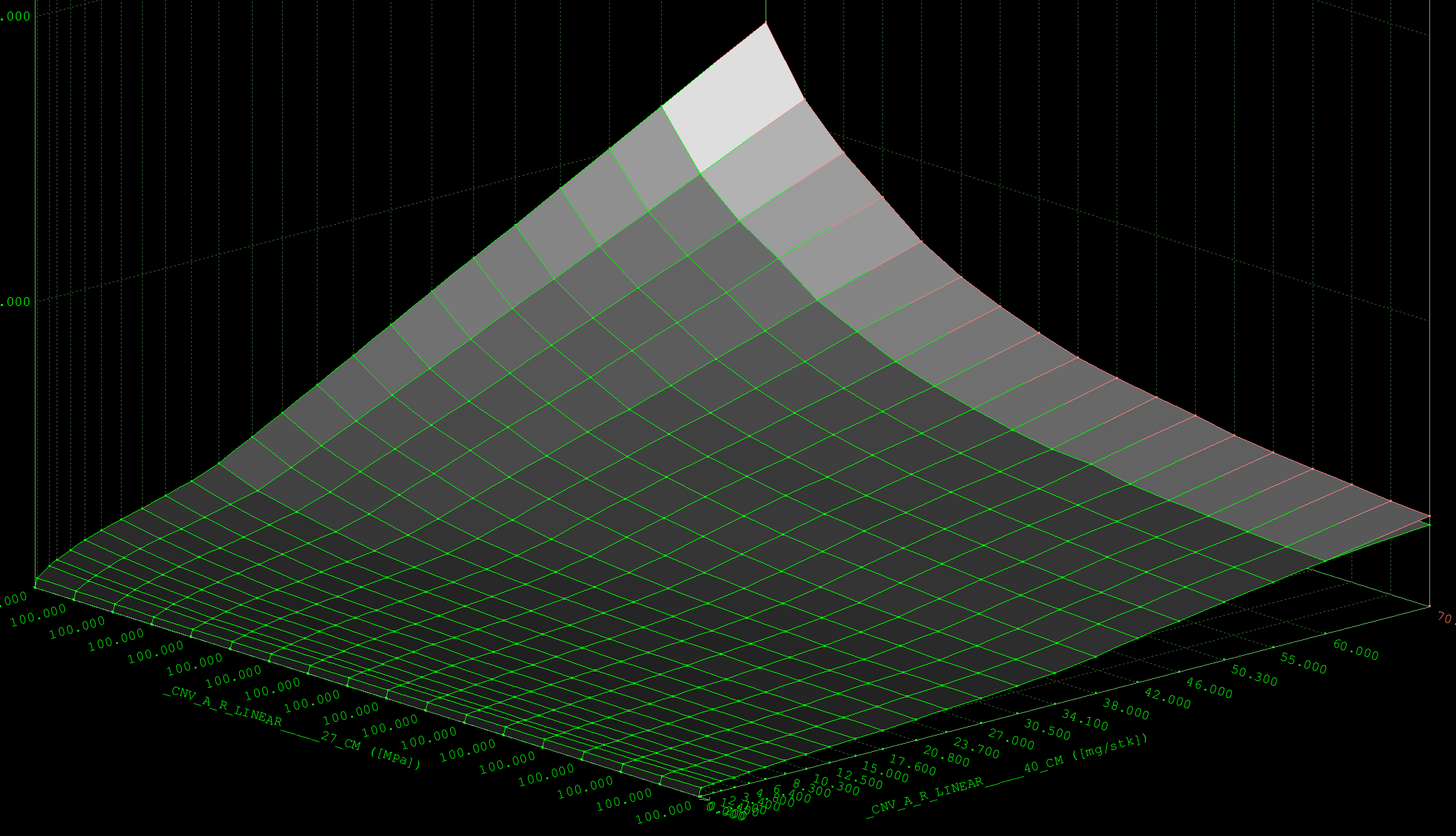
There are also around 14 torque conversion maps, these convert the internal torque request in Nm to a fuel quantity in mg/r. The ECU then calculates the injector opening time based on fuel pressure and delivers the correct fuel quantity very precisely. When changing these maps it’s very important to adjust the axes and keep these calibrated perfectly so that the auto ECU can change gears nicely and also to prevent a monitoring fault in the gearbox ECU.
When driving an auto with a correctly calibrated ECU remap yo uwill notice a big improvement in drivability vs a beginner ‘bodge map’ where maps are all changed indescriminetely by x%, this is not the way to tune an ECU. And remember, MORE is not always better, a remap needs to be designed to be safe, it must drive well, be safe for the gearbox / clutch and turbo charger whilst keeping EGT within a safe range.